Recourse vs Non-Recourse Factoring: A 2025 Guide to Factoring Types

What Is Factoring and How Recourse vs Non-Recourse Options Help Businesses in 2025

Factoring, also known as accounts receivable financing, is a financial strategy where unpaid invoices are sold to a factoring company for immediate cash. Businesses can access 70–90% of their invoice value within one to two days, avoiding the typical 30–90 day payment delay.

This fast access to working capital is widely used across trucking, logistics, manufacturing, staffing, exports, and small businesses worldwide. Factoring helps companies to:

  • Pay employees and drivers on time to maintain smooth operations.
  • Cover fuel and operational costs without disrupting workflows.
  • Ensure timely payments to suppliers to foster strong and reliable vendor partnerships.
  • Invest in growth without relying on additional loans or credit lines.

In simple terms, factoring acts like an advance on receivables, minus a small fee, ensuring steady operations even when client payments are delayed.

According to a 2024 Dun & Bradstreet report, nearly 50 percent of businesses face late payments. By 2025, factoring has become a critical tool—especially in transportation, staffing, and construction—for maintaining reliable cash flow.

A key decision in using factoring is choosing between recourse vs non-recourse factoring, each offering different levels of risk protection and cost efficiency. This guide examines how they differ, their benefits, limitations, and the situations where each works best.

Understanding Factoring in 2025: A Look at Recourse and Non-Recourse Options

In 2025, businesses have multiple factoring options, but the main decision is between recourse and non-recourse factoring. Both provide fast access to cash by selling invoices, yet they differ in who bears the risk if a customer fails to pay. Key factoring methods to evaluate in 2025 include the following options.

Recourse Factoring

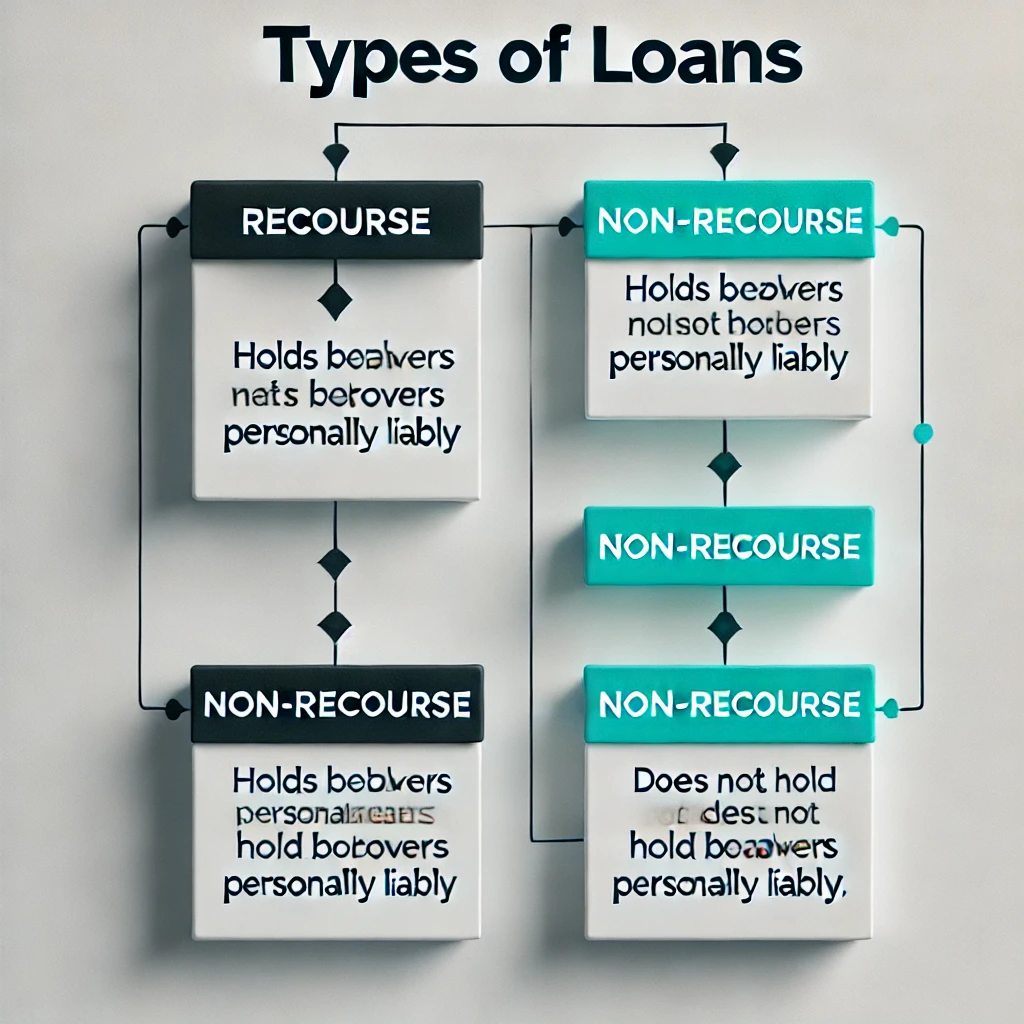
Recourse factoring is the most common model. If a customer does not settle an invoice, the business is liable for the unpaid amount. Because the financial risk stays with the business, factoring fees are lower, making this option cost-effective. Small businesses, trucking fleets, and startups often use recourse factoring to maintain steady cash flow without high financing costs.

Non-Recourse Factoring

With non-recourse factoring, the factor takes on the risk of unpaid invoices, providing businesses protection against customer defaults.. This extra security comes at a higher fee but is valuable for industries with unpredictable payment cycles, such as construction, staffing, or global exports.

Other Factoring Methods

Beyond these core models, other options include:

  • Spot Factoring: Single-invoice financing for immediate cash needs.
  • Full-Service Factoring: Ongoing support and account management.
  • Reverse Factoring: Buyer-driven payments, often used in supply chain finance.

Despite these alternatives, most businesses focus on choosing between recourse and non-recourse factoring, balancing cost savings with risk protection.

According to a 2024 PYMNTS study, nearly 60 percent of small businesses use factoring, with recourse and non-recourse models being the most common.

Actionable Takeaway: Select the factoring type that aligns with cash flow needs and risk tolerance: recourse for lower fees or non-recourse for stronger protection against customer defaults.
Also Read – What Is Factoring? A Comprehensive Guide for 2025

Recourse Factoring: Process, Fees, and Best Use Cases

Recourse factoring is a widely used method for converting unpaid invoices into immediate cash. This approach allows a business to convert an invoice into immediate cash, typically receiving 70–90% of its value upfront from a factoring company.

How it works: Once an invoice is issued, the factor pays most of the amount immediately—for example, $8,000 on a $10,000 invoice. The factoring company then collects the full $10,000 from the customer. After payment is received, the remaining balance—$2,000 in this case—is paid to the business minus a small fee, often around 1.5 percent ($150). If the customer fails to pay, the advance must be returned, making this option suitable for businesses confident in client creditworthiness.

Fees: Recourse factoring typically comes with lower fees since the business bears the responsibility for unpaid invoices. This reduces financing costs compared to non-recourse factoring.

Best fit: Industries with dependable clients benefit most from recourse factoring. Freight carriers use it to cover fuel and operating costs, manufacturers fund production for trusted buyers, and retail suppliers maintain inventory for reliable customers. For example, a trucking carrier factoring a $20,000 invoice could receive $16,000 upfront and collect the remaining $3,800 after a $200 fee once the client pays in full, maintaining smooth cash flow without incurring debt.

Non-Recourse Factoring: Risk Protection, Fees, and Industry Applications

Non-recourse factoring is a financing method that provides protection against customer non-payment.  When a company transfers its invoices to a factoring provider, it typically receives an upfront cash advance covering about 70% to 90% of the invoice value.

Here’s how it works: For a $15,000 invoice, a factoring company might advance $12,000 (80%). It is the factoring provider’s duty to recover the full invoice amount directly from the customer. Once payment is completed, the remaining $3,000 is released to the company, minus a factoring fee—typically around 3% ($450 in this example). If the customer defaults, the factoring company assumes the loss, and the business keeps the advance.

Non-recourse factoring is typically costlier because the factor takes on the risk of unpaid invoices. While costs are greater, businesses gain peace of mind and protection from client insolvency or disputes. Coverage limits depend on the factor’s assessment of client creditworthiness; not all invoices or industries qualify.

Industries that benefit from non-recourse factoring:

  • Staffing Agencies: Protect cash flow when working with new or unpredictable clients.
  • Construction Firms: Ensure project payments despite inconsistent schedules.
  • Healthcare Providers: Manage delays in insurance-based payments.

For example, a staffing agency factoring a $30,000 invoice may receive $24,000 upfront. If the client fails to pay, the agency still keeps the $24,000, with the factoring provider absorbing the loss, while only a small fee ($900) applies.

Actionable Takeaway: Non-recourse factoring is ideal for businesses operating in industries with uncertain payment reliability. Higher fees are offset by risk protection and predictable cash flow.

Understanding Recourse and Non-Recourse Factoring: Differences and Comparison

Choosing between recourse and non-recourse factoring is shaped by how much risk a business is willing to accept, how dependable its customers are, and the fees involved. The following table highlights the main differences:

FactorRecourse FactoringNon-Recourse Factoring
RiskWith recourse factoring, the risk of unpaid invoices stays with the business, meaning the company must reimburse the factor if a customer fails to pay.  With non-recourse factoring, the financing company absorbs the risk of unpaid invoices, giving the business protection against potential losses.
Cost (Fees)Lower fees (1–2%), industry average ~1.5% (2024).Higher fees (2–4%), industry average ~3% (2024).
Approval SpeedFaster approval due to less strict credit checks.Slower approval due to detailed client credit assessments.
Best ForBusinesses with reliable, established clients (e.g., major retailers).Businesses working with newer or higher-risk clients (e.g., construction, staffing).
ExampleA freight carrier with a trusted client pays ~1.8% in fees.A construction firm with a new client pays ~3% for protection against non-payment.

Actionable Takeaway: When evaluating factoring options, businesses with strong client credit may benefit from recourse factoring to reduce costs. For businesses dealing with unpredictable client payments, non-recourse factoring offers protection against unpaid invoices.

Choosing Between Recourse and Non-Recourse Factoring: 2025 Decision Framework

Selecting the right factoring type depends on client credit reliability, business size, risk tolerance, and financial goals.Here’s how to decide:

  • Business Size/Stage:
    • Small businesses and startups often benefit from recourse factoring due to lower fees and simpler qualification requirements
    • Non-recourse factoring suits businesses dealing with high-risk clients that can accommodate higher costs for added protection.
  • Risk Tolerance:
    • Businesses with low risk tolerance may prefer non-recourse factoring to avoid repayment liabilities.
    • Businesses serving reliable clients often save on fees by choosing recourse factoring.
  • Business Goals:
    • For quick access to cash and growth funding, recourse factoring offers cost efficiency.
    • Companies aiming for steady cash flow and coverage against customer defaults often find non-recourse factoring a better fit.
Case Studies:
  • A 10-truck carrier with stable clients used recourse factoring, saving $10,000 annually in fees.
  • A staffing agency working with new clients opted for non-recourse factoring, avoiding $15,000 in potential losses from client defaults.

Actionable Takeaway: The choice between recourse and non-recourse factoring should align with client reliability, risk appetite, and financial objectives to strengthen cash flow while managing potential losses effectively.

Pros and Cons of Recourse vs Non-Recourse Factoring in 2025

Both recourse and non-recourse factoring provide unique advantages and trade-offs that businesses should evaluate before choosing. Understanding these differences helps businesses select the model that aligns with cash flow needs, risk tolerance, and client reliability.

AspectRecourse FactoringNon-Recourse Factoring
Pros• Lower fees (1–2%), saving 20–30% compared to non-recourse (2024 data).
• Faster approvals, often within 24 hours.
• Flexible for businesses with reliable clients.
• Eliminates repayment risk if clients default.
• Provides protection for risky or new clients.
• Simplifies financial planning with predictable outcomes.
Cons• Repayment required if clients default.
• Requires confidence in client payment history.
• Higher fees (2–4%), increasing costs by 15–25%.
• Slower approvals due to detailed credit assessments.

Practical Examples:

  • A manufacturing firm using recourse factoring saved $5,000 annually in fees.
  • A construction company using non-recourse factoring avoided a $20,000 loss due to client bankruptcy.

Cost-Effectiveness Insight: Recourse factoring is generally more cost-efficient for businesses with stable, reliable clients, while non-recourse factoring is best suited for those prioritizing risk protection.

Actionable Takeaway: Assess factoring options based on client reliability, risk tolerance, and financial goals to determine which model strengthens cash flow while minimizing potential losses.

Common Myths About Recourse and Non-Recourse Factoring

Recourse and non-recourse factoring are frequently misunderstood. Clarifying these myths can help businesses make informed decisions and build financial confidence.

MythFact
Recourse factoring is too risky.When clients are reliable, recourse factoring is safe and can save 1–2% on fees (2024 industry data).
Non-recourse factoring is always better.Non-recourse reduces repayment risk but is costlier. Recourse factoring may be more suitable for businesses with stable, trustworthy clients.
Factoring hurts client relationships.Professional factoring services handle collections discreetly, preserving client trust and business relationships.

Expert Insight: “Recourse vs non-recourse factoring myths often deter businesses, but both options are effective when selected based on risk and client reliability,” says financial consultant David Lee.

Actionable Takeaway: Understanding the differences between recourse and non-recourse factoring helps teams make informed financial and risk management decisions.

Choosing the Appropriate Factoring Option for Businesses in 2025

Choosing between recourse and non-recourse factoring depends on financial goals, client reliability, and risk tolerance. A structured approach ensures the optimal decision.

Step-by-Step Checklist:
  1. Assess Client Credit: Review clients’ payment history. Companies with dependable clients typically gain from recourse factoring, while non-recourse factoring suits those handling higher-risk or less predictable accounts.
  2. Evaluate Budget: Compare fees: recourse factoring usually ranges from 1–2%, while non-recourse is 2–4%. Select the option that aligns with operational margins and cost considerations.
  3. Check Industry Fit: Different industries have specific needs. Freight, logistics, and staffing businesses can gain efficiency from factoring tailored to their workflows. Specialized platforms provide seamless integration for carriers and service providers.
  4. Prioritize Funding Speed: Recourse factoring typically offers faster access to cash, often within 24 hours, helping maintain uninterrupted operations.
  5. Assess Support and Transparency: Partnering with providers offering 24/7 support and clear communication ensures smooth factoring processes and reduces operational risk.

Practical Example: A small freight company utilizing recourse factoring at 1.7% fees saved $8,000 annually, which was reinvested into growth initiatives.

Expert Advice: Testing both recourse and non-recourse factoring with a small invoice batch helps assess real costs, efficiency, and comfort before full-scale implementation.

Actionable Takeaway: Use a Factoring Decision Checklist to objectively compare recourse vs non-recourse factoring. This structured approach supports informed decisions that strengthen cash flow and operational stability.


Final Thoughts: Recourse vs Non-Recourse – Which One Works Best in 2025?

In 2025, both recourse and non-recourse factoring remain essential tools for businesses seeking faster access to cash from unpaid invoices. Recourse factoring offers a cost-effective solution with lower fees, making it suitable for companies with reliable clients and predictable payment patterns. Non-recourse factoring provides added security by transferring the risk of non-payment to the factoring company, making it ideal for businesses working with higher-risk clients or industries with uncertain payment cycles.

There is no universally better option, as each type of factoring serves distinct purposes depending on financial goals, risk tolerance, and client reliability. Businesses can benefit from testing both methods on a small scale to determine which aligns best with operational needs and cash flow requirements. Ultimately, understanding the differences, costs, and benefits of each factoring type empowers companies to make informed financial decisions that strengthen cash flow, maintain stability, and support long-term growth.

Actionable Takeaway: Evaluate your clients’ payment reliability, budget, and risk tolerance to select the factoring type that strengthens cash flow and supports long-term growth. Providers like Fast Forward TMS offer expert guidance and flexible solutions for both recourse and non-recourse factoring, helping businesses make informed choices.


FAQs
How does recourse factoring differ from non-recourse factoring?

With recourse factoring, the business must repay the advance if a customer fails to pay, while in non-recourse factoring, the factor absorbs that risk. Recourse is less expensive, while non-recourse provides more protection.

Can factoring improve cash flow?

Yes. Factoring converts unpaid invoices into immediate cash—typically 70–90% within 24–48 hours—helping businesses maintain steady cash flow without waiting for customer payments.

Which industries use factoring the most?

Factoring is commonly used in trucking, logistics, manufacturing, staffing, healthcare, and construction to maintain cash flow and manage payment delays efficiently.

How are factoring fees calculated?

Factoring fees are a percentage of the invoice value, typically 1–2% for recourse and 2–4% for non-recourse, based on client creditworthiness, invoice size, and payment terms.

Is it possible to use both recourse and non-recourse factoring?

Yes, combining both types allows stable clients to be factored under recourse terms for lower costs, while riskier clients can use non-recourse factoring for added protection.
What Is Factoring? A Comprehensive Guide for 2025

Introduction

Picture this: your small business is thriving—new clients, bigger orders, and growing demand. But your cash is tied up in unpaid invoices, with customers taking 60 or 90 days to pay. Fuel, payroll, and suppliers won’t wait, and loans come with strings attached. This is where factoring becomes a game-changer. Also known as invoice factoring, it unlocks cash tied up in unpaid invoices, ensuring your business keeps moving forward.

In 2025, late payments are a major hurdle, with 45% of businesses facing delayed receivables, per a 2024 Dun & Bradstreet report. Understanding factoring is essential for overcoming this challenge. This guide dives deep into factoring, explaining its process, types, benefits, costs, and myths. We’ll also explore who it’s for, how it compares to other financing options, and how to choose the right factoring company, with a spotlight on Fast Forward TMS’s factoring services. Ready to solve your cash flow woes? Download our free 2025 Factoring Guide now!

What Is Factoring? A Simple Guide for 2025

In plain terms, factoring is when a business sells its unpaid invoices to a factoring company for fast cash. Instead of waiting weeks for customers to pay, you get 70–90% of the invoice value upfront, minus a small fee. The factoring company collects from your clients and sends you the rest later.

Imagine factoring as trading your invoices for an instant advance. For example, a freight company invoices $15,000 for a delivery. A factoring company, like Fast Forward TMS, pays $12,750 upfront. When the client completes the payment, the factoring company forwards the remaining $2,250 after deducting a 2% service fee. This accounts receivable factoring keeps cash flowing, especially in industries like trucking or staffing.

Why Accounts Receivable Matter in Factoring

Accounts receivable represent the money your customers owe. Factoring lets you convert these outstanding invoices into instant cash, ensuring your business continues to operate without delays. A 2024 PYMNTS study found that 65% of small businesses use factoring to manage cash flow, making it an essential tool for 2025 financial strategies.

Actionable Takeaway: If slow-paying clients are affecting your business, factoring can provide quick access to funds to keep operations running smoothly.

Common Question Answered: What is factoring used for? Factoring gives you immediate working capital for costs like fuel or wages—without increasing your liabilities.

How Does Factoring Work? Step-by-Step Guide Explained

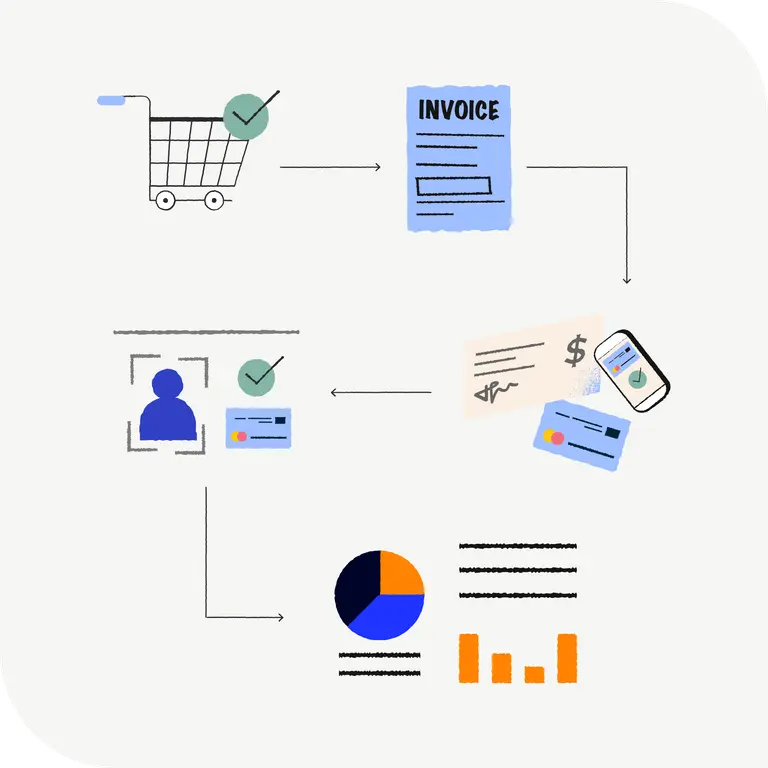
Factoring is the process of converting unpaid invoices into immediate cash. Here’s the accurate breakdown of how it works:

  1. Deliver and Invoice: Your business completes the job (for example, a carrier delivers a load) and issues an invoice with a payment term, usually 30–90 days.
  2. Submit to Factoring Company: You send the invoice to a factoring provider. The factor verifies the invoice details and checks the creditworthiness of your customer.
  3. Get a Cash Advance: The factoring company advances 70–90% of the invoice value, typically within 24–48 hours.
    Example: On a $10,000 invoice, you might receive $8,500 upfront
  4. Client Pays the Factor: On the due date, your customer pays the factoring company directly for the invoice amount.
  5. Receive the Balance: After receiving payment, the factor releases the remaining 10–30%, minus their service fee (often 1–5%).
    Example: If the fee is 2%, you would receive $1,500 back, keeping $9,850 total.

Factoring Process at a Glance

  • Step 1: Deliver service → Issue $20,000 invoice (payment due in 30–60 days).
  • Step 2: Submit the invoice to a factoring company.
  • Step 3: Receive an advance of $16,000 (80%) within 24 hours.
  • Step 4: Your client pays the factoring company the full $20,000 on the due date.
  • Step 5: The factoring company releases the remaining $4,000, minus a $400 fee = $3,600.

Real-World Scenario

A construction firm invoices $30,000 but needs cash for materials. They factor with Fast Forward TMS, getting $25,500 upfront. The client pays in 60 days, and the firm receives $4,200 after a $300 fee. This example illustrates how factoring helps businesses bridge cash flow gaps efficiently.

Expert Tip: Pick a factoring company with a quick, online submission process for faster funding.

Actionable Takeaway: Review your invoice process and see how factoring can speed up cash access for critical expenses.

What Are the Different Types of Factoring?

Factoring takes several forms, each designed to meet specific business needs in 2025. Here’s an overview of the main types:

  • Recourse Factoring: You repay the advance if your client doesn’t pay, offering lower costs but some risk.
    • Pros: Fees as low as 1–2%, flexible terms.
    • Cons: You cover losses if clients default.
  • Non-Recourse Factoring: The factoring company takes the risk of non-payment, providing security.
    • Pros: No repayment worry, ideal for risky clients.
    • Cons: Higher fees (2–4%), stricter credit checks.
  • Spot Factoring: Secure funding for individual invoices on demand—perfect for covering occasional shortfalls in cash flow.
    • Pros: No long-term contract, fast cash.
    • Cons: Higher per-invoice fees.
  • Full-Service Factoring: Covers all invoices with added services like collections.
    • Pros: Saves time, comprehensive support.
    • Cons: Costlier, often requires contracts.
  • Reverse Factoring: Buyers initiate factoring to pay suppliers early, common in large supply chains.
    • Pros: Strengthens supplier ties, buyer-driven.
    • Cons: Limited to big buyers with strong credit.

Example: A staffing agency uses non-recourse factoring to avoid losses from unreliable clients, paying a 3% fee for peace of mind.

Common Question Answered: What is the best type of factoring? Recourse factoring is more affordable for dependable clients, while non-recourse is better suited for higher-risk accounts.

Actionable Takeaway: Assess your clients’ payment habits to choose the right factoring type for your business.

Why Do Businesses Use Factoring?

Couldn’t factoring be a strategic solution to manage short-term cash flow hurdles? In 2025, with 50% of invoices paid late (per a 2024 Atradius study), factoring is a must for many businesses. Here’s why companies rely on it:

  • Close Cash Flow Gaps: Get cash now instead of waiting 30–90 days.
  • Handle Slow Payment Cycles: Manage clients with long terms, like retailers or government agencies.
  • Meet Payroll and Vendor Costs: Ensure timely payments for salaries, fuel, and essential supplies.
  • Skip Bank Loans: No debt or credit checks, ideal for new businesses.

Industry Examples

  • Freight: A carrier factors $25,000 to pay drivers, avoiding delays.
  • Staffing: An agency funds weekly payroll despite 60-day client payments.
  • Healthcare: A clinic factors invoices to buy medical supplies.

Expert Opinion: “Factoring is a cash flow accelerator, letting businesses seize opportunities without debt,” says finance expert Laura Chen.

Actionable Takeaway: If late payments hold back your growth, consider factoring to keep operations running smoothly.

Is Factoring a Good Fit for Your Business?

Factoring provides a flexible financial solution for companies facing delayed payments. In 2025, businesses in industries with longer invoice cycles gain the most benefit. Here’s a look at who should consider using factoring:

  • Startups and Small Businesses: No strong credit? Factoring for small business uses client credit for approval.
  • Slow-Paying Clients: Retail or construction clients often pay in 60+ days.
  • Seasonal Businesses: Retailers or landscapers need cash during off-seasons.
  • Key Sectors: Freight, staffing, healthcare, and construction, where invoices are large.

Case Study: A 15-truck freight company faced 45-day payment terms. Using Fast Forward TMS’s factoring, they accessed $120,000 upfront, funding new routes and growing revenue by 25% in 2024.

Common Question Answered: Is factoring good for small businesses? Yes, 70% of small firms use factoring, per a 2024 PYMNTS report, for quick cash without loans.

Actionable Takeaway: Review your invoice terms—if payments take more than 30 days, consider factoring to keep cash flowing.

Factoring vs Invoice Discounting: What’s the Difference?

Both factoring and invoice discounting help businesses access cash tied up in invoices, but they work in different ways. Here’s a side-by-side comparison:

FeatureFactoringInvoice Discounting
Debt CollectionFactoring company collects payments.You collect payments yourself.
Client DisclosureClients know a factor is involved.Clients are unaware; discreet process.
RiskRecourse or non-recourse options.You bear non-payment risk.
Best ForSmall businesses needing collection help.Established firms with strong collections.

Example: A trucking firm chooses factoring to offload collections, while a manufacturer uses discounting for privacy.

Actionable Takeaway: Pick factoring for hands-off collections or discounting for control, based on your team’s capacity.

What Are the Costs Involved in Factoring?

Understanding factoring isn’t complete without knowing the costs. Fees usually vary based on your industry, the number of invoices, and your customer’s credit profile. Here’s the breakdown:

  • Factoring Fee: 1–5% of the invoice. A $15,000 invoice might cost $150–$750.
  • Discount Rate: The advance (70–90%) varies by risk, affecting the final payout.
  • Service Fees: Cover collections or credit checks, typically $50–$200 monthly.
  • Cost Factors:
    • Industry Risk: Construction may have higher fees than retail.
    • Client Credit: Strong credit lowers fees.
    • Volume: High invoice volumes reduce per-invoice costs.

Example: A carrier factors $40,000 monthly with Fast Forward TMS at a 1.8% fee, paying $720 for instant cash. This beats loan interest for urgent needs.

Common Question Answered: Is factoring costly? It’s pricier than loans but faster, with no debt, making it ideal for cash flow emergencies.

Actionable Takeaway: Request quotes from factoring providers like Fast Forward TMS to compare factoring costs for your business.

Common Myths and Misconceptions

Factoring is often misunderstood. Here are some common myths, along with the facts to set them straight:

  • Myth: Factoring is for struggling businesses.
    Fact: Growing companies use factoring—75% of users are profitable, per a 2024 survey.
  • Myth: Factoring is a loan.
    Fact: Factoring sells invoices, not debt, with no repayment required if clients pay.
  • Myth: Clients dislike factoring.
    Fact: Professional factors like Fast Forward TMS handle collections smoothly, maintaining client trust.

Expert Tip: Educate your team about what is factoring so they understand the benefits and feel confident adopting it.

Actionable Takeaway: Share these myth-busters with your team to embrace factoring confidently.

Pros and Cons of Using Factoring

To understand factoring fully, it’s important to consider both its advantages and potential drawbacks. Here’s a straightforward overview:

Pros

  • Instant Cash Flow: Funds in 24–48 hours, not 60 days.
  • Simple Approval: 90% approval rate based on client credit, per 2024 data.
  • Growth-Friendly: Scales with sales, supporting expansion.
  • No Debt: Factoring avoids loan liabilities.

Cons

  • Higher Fees: 1–5% fees can outpace loan interest.
  • Client Notification: Some clients may know a factor is involved.
  • Dependency Risk: Overuse could limit other financing options.

Example: A healthcare provider factors $50,000 to buy equipment, gaining speed but paying 3% fees. They choose factoring over loans for flexibility.

Actionable Takeaway: Weigh factoring costs against its speed to decide if it’s right for your cash flow needs.

How to Choose the Best Factoring Company

Choosing the right factoring partner is essential for maximizing the benefits of factoring. In 2025, businesses should consider the following key factors:

  • Industry Expertise: Pick a provider familiar with your sector, like Fast Forward TMS for trucking.
  • Clear Pricing: Look for transparent fees, starting at 1.5% with Fast Forward.
  • Recourse vs Non-Recourse: Non-recourse for safety, recourse for savings.
  • Support Quality: Ensure 24/7 help and dedicated account managers. A 2024 survey shows 85% of businesses prioritize support.

Case Study: A staffing firm chose Fast Forward TMS for its 1.7% fees and freight expertise, saving $15,000 yearly compared to competitors.

Actionable Takeaway: Download our free Guide to Choosing the Best Factoring Provider to evaluate options for factoring.

Common Question Answered: How do I find a good factoring company? Focus on industry fit, low fees, and responsive support, like Fast Forward TMS.

Conclusion

Factoring is a powerful cash flow solution that converts unpaid invoices into immediate funds, enabling businesses to operate and grow without taking on debt. This guide covered the key aspects of factoring, including its process, types, costs, and benefits. From startups to freight carriers, factoring helps bridge cash flow gaps, simplify financing, and support business growth. Fast Forward TMS offers reliable factoring services with industry expertise, competitive fees, and fast payouts, making it an ideal partner for businesses seeking efficient cash flow solutions.

Don’t let slow payments stop your business. Embrace factoring to fuel your success. Schedule a free consultation with Fast Forward TMS or download our 2025 Factoring Guide today! Check out our related blogs for more cash flow tips.

Accounts Receivable Financing

Accounts Receivable Financing

Unlocking Business Potential with Accounts Receivable Financing

In today’s dynamic business landscape, ensuring steady cash flow is vital for achieving success. Yet, many businesses face cash crunches due to delayed payments from customers. Enter accounts receivable financing—a powerful financial tool designed to bridge the gap between revenue generation and cash availability. Let’s explore this innovative financing option and its benefits.

What is Accounts Receivable Financing?

Accounts receivable financing is a financial arrangement where businesses sell their unpaid invoices to a third-party lender, known as a factor, in exchange for immediate cash. Instead of waiting for customers to pay their invoices, businesses can access funds quickly to cover operational costs, invest in growth, or manage unexpected expenses.

This type of financing is particularly valuable for small and medium-sized enterprises (SMEs) that experience seasonal fluctuations or long payment cycles.

How Does It Work?

The process of accounts receivable financing is straightforward:

  1. Invoice Submission: Businesses submit their outstanding invoices to the financing company.
  2. Advance Payment: The financing company provides an advance, typically 70-90% of the invoice value.
  3. Customer Payment: Customers pay the invoices directly to the financing company within the agreed terms.
  4. Final Settlement: Once the invoices are paid, the financing company deducts its fees and remits the remaining balance to the business.

Types of Accounts Receivable Financing

  1. Factoring: The financing company takes ownership of the invoices and assumes the responsibility of collecting payments from customers.
  2. Invoice Discounting: The business retains ownership of the invoices and continues to handle collections, using the invoices as collateral for the loan.

Key Benefits of Accounts Receivable Financing

  1. Improved Cash Flow: Receive immediate funds without waiting for customers to pay.
  2. Growth Opportunities: Invest in new projects, hire talent, or purchase inventory to scale operations.
  3. Flexibility: Financing is tied to your sales, so the more you invoice, the more funding you can access.
  4. No Collateral Required: Unlike traditional loans, accounts receivable financing uses invoices as collateral, reducing the need for additional assets.
  5. Focus on Core Business: Spend less time chasing payments and more time growing your business.

Considerations Before Opting for Accounts Receivable Financing

While accounts receivable financing offers numerous benefits, it’s essential to consider the following:

  • Cost: Fees can vary based on the financing provider, invoice value, and customer creditworthiness. Understand the total cost of financing to ensure it aligns with your business goals.
  • Customer Relationships: With factoring, customers may interact directly with the financing company, which could impact your relationships.
  • Eligibility: Not all invoices may qualify, particularly if customers have a history of late payments or disputes.

Could Accounts Receivable Financing Be the Right Fit for Your Business?

Accounts receivable financing can be a game-changer for businesses in industries such as manufacturing, transportation, staffing, and more. If your business experiences:

  • Extended payment terms (30, 60, or 90 days),
  • Difficulty securing traditional loans, or
  • Opportunities that require quick access to cash,

Then this financing option might be the perfect fit.

Conclusion

Accounts receivable financing empowers businesses to unlock the cash tied up in their invoices, ensuring they can seize opportunities and navigate challenges with ease. By choosing the right financing partner and understanding the terms, businesses can optimize their working capital and drive sustained growth.

If you’re looking to improve your cash flow without taking on debt, accounts receivable financing might be the solution you’ve been seeking. Reach out to a trusted financing provider to explore how this innovative tool can propel your business forward.

Managing Working Capital Requirements

Working Capital Requirements

The Role of Technology in Optimizing Working Capital Requirements

In today’s fast-paced business environment, managing working capital efficiently is more important than ever. Businesses need to maintain a delicate balance between their short-term assets and liabilities to ensure smooth operations and growth. Traditionally, this task has been challenging, requiring significant manual effort and time. However, technology is transforming how businesses approach working capital management. From fintech solutions to cash flow software, automation tools are paving the way for smarter, faster, and more efficient processes.


What is Working Capital and Why Does it Matter?

Working capital is the difference between a company’s current assets (like cash, accounts receivable, and inventory) and its current liabilities (such as accounts payable and short-term loans). It’s a measure of a business’s liquidity and operational efficiency.

Efficient working capital management ensures that businesses have enough resources to meet their short-term obligations while also investing in growth opportunities. Poor management, on the other hand, can lead to cash flow problems and even jeopardize a company’s survival.


The Challenges of Traditional Working Capital Management

Traditional methods of managing working capital often involve spreadsheets, manual calculations, and disjointed systems. These approaches are time-consuming, error-prone, and unable to provide real-time insights. Businesses may face challenges like:

  • Delays in processing accounts receivable and payable.
  • Difficulty forecasting cash flow.
  • Limited visibility into inventory levels.
  • Inability to respond quickly to market changes.

Fortunately, technology is stepping in to address these issues.


How Technology is Revolutionizing Working Capital Management

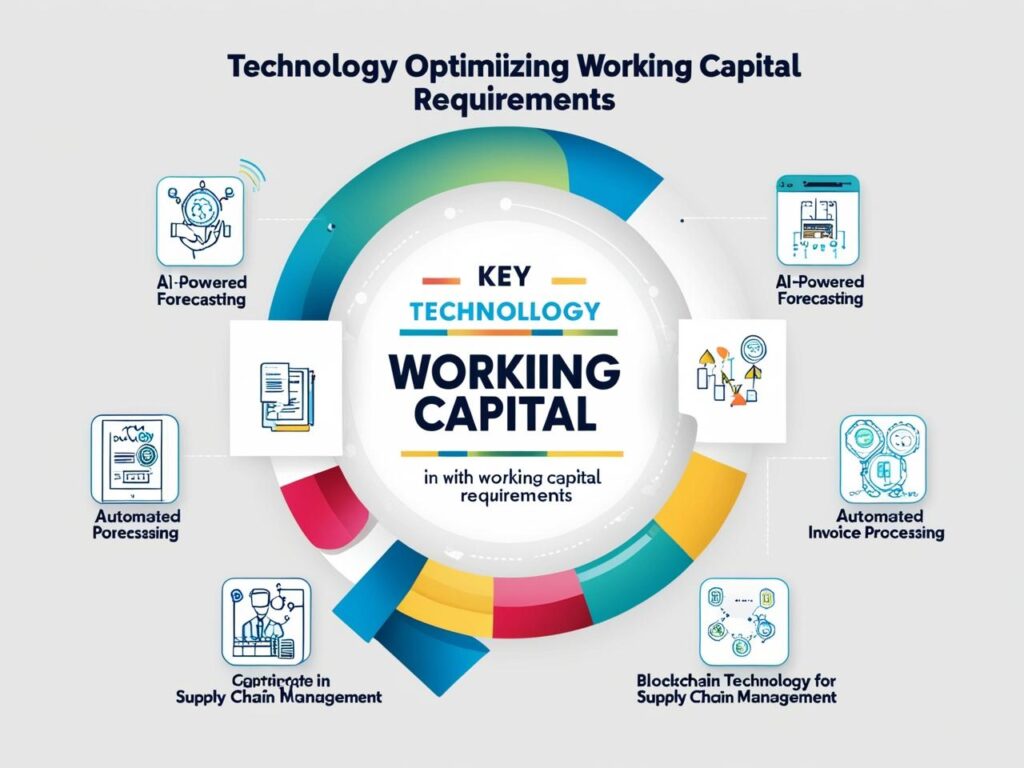
Modern technology offers a range of tools to optimize working capital requirements. Let’s explore some of the most impactful advancements:

  1. Fintech Solutions Fintech platforms provide innovative ways to manage cash flow, automate payments, and access financing. For example:
    • Invoice Discounting Platforms: These allow businesses to convert unpaid invoices into immediate cash, improving liquidity.
    • Digital Lending Solutions: Quick access to short-term loans through fintech apps helps businesses address urgent capital needs without lengthy approval processes.
  2. Cash Flow Software Cash flow management tools like QuickBooks, Xero, and Zoho Books provide real-time insights into a business’s financial health. Key benefits include:
    • Automated Tracking: Automatically monitor accounts receivable, accounts payable, and bank balances.
    • Forecasting Tools: Predict future cash flow trends to make informed financial decisions.
    • Integration: Sync with other financial tools for a unified view of your finances.
  3. Working Capital Automation Tools Automation tools streamline repetitive tasks, reduce errors, and enhance efficiency. Examples include:
    • Accounts Payable and Receivable Automation: Tools like Bill.com or HighRadius automate invoice processing, reducing delays and improving cash flow.
    • Inventory Management Software: Platforms like NetSuite optimize stock levels to avoid overstocking or stockouts.
  4. AI and Machine Learning Artificial intelligence (AI) and machine learning (ML) enable businesses to analyze large datasets and identify patterns. These technologies are useful for:
    • Predictive Analytics: Anticipate cash flow gaps and potential risks.
    • Dynamic Pricing Models: Adjust pricing strategies based on market demand and inventory levels.
  5. Cloud-Based Solutions Cloud technology ensures accessibility, scalability, and security for financial data. Cloud-based tools provide:
    • Real-Time Collaboration: Teams can access and update financial data from anywhere.
    • Data Security: Advanced encryption ensures the safety of sensitive financial information.

Benefits of Using Technology for Working Capital Management

Adopting technology to optimize working capital offers numerous advantages:

  • Increased Efficiency: Automation reduces manual effort, freeing up time for strategic planning.
  • Better Decision-Making: Real-time data and analytics empower businesses to make informed decisions.
  • Improved Liquidity: Faster processing of receivables and payables ensures smoother cash flow.
  • Scalability: Technology grows with your business, adapting to changing needs.
  • Cost Savings: By reducing errors and inefficiencies, businesses save money in the long run.

Conclusion

The role of technology in optimizing working capital requirements cannot be overstated. Fintech solutions, cash flow software, and automation tools are transforming how businesses manage their finances. By leveraging these advancements, companies can improve efficiency, enhance liquidity, and position themselves for long-term success.

As technology evolves, businesses embracing these tools will gain a significant competitive edge. The future of working capital management is here—and it’s smarter, faster, and more efficient than ever.

Late Payments in the Trucking Industry

Trucking Industry

Late Payments in the Trucking Industry: How Factoring Can Help You Get Paid Faster

The trucking industry is the backbone of our economy, ensuring goods are delivered across the country. However, one persistent challenge that trucking businesses face is late payments. Waiting 30, 60, or even 90 days for payments can create cash flow problems, making it hard to cover essential expenses like fuel, maintenance, and payroll. Fortunately, there’s a solution: invoice factoring. Let’s explore what late payments mean for trucking businesses and how factoring can help you get paid faster.


The Problem with Late Payments

Imagine you’ve just completed a delivery for a large client. They’re happy with your service and you’ve sent them the invoice. But instead of paying immediately, they’ve agreed to pay you in 45 days. During that time, you still have bills to pay — your drivers need their salaries, your trucks need fuel, and your business needs to keep running.

This situation is common in the trucking industry. Many companies operate on long payment cycles, but for small or medium-sized trucking businesses, waiting weeks or months to get paid can cause serious financial strain.


What is Invoice Factoring?

Invoice factoring is a financial solution that allows trucking businesses to get paid faster. Instead of waiting for clients to pay, you sell your invoices to a factoring company. The factoring company gives you most of the invoice amount upfront (usually 80-90%) and then pays the rest (minus a small fee) once they collect the full payment from your client.

Let’s break this down with an example:

  • You complete a delivery worth $10,000 and invoice your client.
  • A factoring company agrees to buy your invoice.
  • They advance you $8,500 immediately (85% of the invoice value).
  • Once your client pays the full $10,000, the factoring company sends you the remaining $1,000, minus their fee (e.g., $500).

This way, you get quick access to most of your money without waiting for your client to pay.


How Factoring Solves the Late Payment Issue

  1. Instant Cash Flow Invoice factoring gives you immediate access to cash, which means you can pay for fuel, repairs, and other expenses right away. You don’t have to worry about keeping your business running while waiting for payments.
  2. No More Chasing Payments Factoring companies take over the task of collecting payments from your clients. This saves you time and energy, allowing you to focus on growing your business.
  3. Flexibility for All Business Sizes Whether you’re an owner-operator or run a fleet, factoring can work for you. It’s particularly helpful for small businesses that may not have the resources to handle late payments.
  4. No Debt Involved Factoring is not a loan. You’re not borrowing money; you’re simply getting paid for work you’ve already done. This keeps your balance sheet clean and avoids the complications of traditional financing.

Real-Life Example: How Factoring Helped a Trucking Business

John runs a small trucking company with three trucks. One month, two of his biggest clients delayed their payments, leaving John struggling to pay for fuel and driver salaries. He approached a factoring company and sold his invoices worth $25,000. Within 24 hours, he received $21,250 (85% of the invoice value), which helped him cover his expenses and accept new delivery contracts. Once the clients paid the invoices, John received the remaining amount minus the factoring fee.

John avoided financial stress and kept his business running smoothly thanks to factoring.


Things to Consider When Choosing a Factoring Company

If you’re thinking about invoice factoring, here are a few tips for choosing the right partner:

  1. Understand the Fees: Factoring fees typically range from 1% to 5%. Make sure you understand the costs involved.
  2. Check the Contract Terms: Some factoring companies require long-term contracts, while others offer more flexibility. Choose what works best for your business.
  3. Customer Service: A good factoring company will handle your invoices professionally and maintain a positive relationship with your clients.
  4. Industry Experience: Look for factoring companies that specialize in the trucking industry. They’ll understand your unique needs better.

Conclusion

Late payments can be a big challenge for trucking businesses, but invoice factoring provides a reliable solution. By getting paid faster, you can maintain a steady cash flow, keep your trucks on the road, and focus on growing your business. If late payments are holding you back, consider partnering with a factoring company to keep your operations moving forward.


Non Recourse Debt vs. Recourse Debt

Non Recourse Debt vs. Recourse Debt: Understanding the Key Differences

Non Recourse Debt vs. Recourse Debt

Non Recourse Debt vs. Recourse Debt

When it comes to borrowing money, understanding the type of debt you’re taking on is critical. Two primary types of debt agreements are non recourse debt and recourse debt, and each carries distinct implications for borrowers and lenders. In this blog, we will delve into the differences between these two types of debt, their advantages and disadvantages, and provide examples to help clarify their practical applications.


What is Recourse Debt?

With Recourse debt, lenders have the right to claim not only the collateral listed in the loan agreement but also tap into the borrower’s other assets if the loan isn’t repaid. Essentially, the borrower has more financial liability with this type of debt. If the collateral doesn’t cover the full loan amount, the lender can pursue the borrower for the remaining balance.

Example of Recourse Debt:

An everyday example includes personal loans or credit card debt. For instance, imagine borrowing $50,000 through a personal loan and failing to repay it. The lender can first seize the collateral (if any, such as a car or property) and then take further legal action to claim your other assets or income to recover the remaining balance.

Characteristics of Recourse Debt:

  • Usually comes with higher interest rates to balance out the extra risk taken on by the lender.
  • Common in unsecured loans or loans where the collateral may not fully cover the loan value.
  • Borrowers bear higher financial risk.

What is Non Recourse Debt?

Non recourse debt, on the other hand, limits the lender’s ability to claim repayment to the collateral pledged. If the borrower defaults, the lender can only seize the collateral specified in the agreement and cannot go after the borrower’s other assets.

Example of Non-Recourse Debt:

Real estate loans are often structured as non-recourse debt. For instance, if you take a $300,000 mortgage to purchase a property and default, the lender can foreclose the property but cannot pursue your other personal assets if the property’s value doesn’t cover the debt.

Characteristics of Non-Recourse Debt:

  • Typically involves higher interest rates to compensate lenders for increased risk.
  • Favored by investors and businesses looking to limit personal liability.
  • Risk to borrowers is lower as their other assets are protected.

Key Differences Between Non-Recourse and Recourse Debt

AspectRecourse DebtNon-Recourse Debt
LiabilityBorrower is personally liable for the debt.Liability is limited to the collateral.
Risk to BorrowerHigher risk due to personal asset exposure.Lower risk since other assets are protected.
Risk to LenderLower risk as lender can claim other assets.Higher risk as lender is limited to collateral.
Interest RatesGenerally lower due to reduced lender risk.Generally higher to offset increased risk.
Common Use CasesPersonal loans, credit cards, car loans.Real estate financing, project financing.

Pros and Cons of Each Debt Type

Recourse Debt:

Pros:

  • Reduced borrowing costs and more advantageous loan conditions.
  • Easier approval process for borrowers with a solid credit history.

Cons:

  • Increased financial exposure for borrowers.
  • Potential for wage garnishment or asset seizure beyond collateral.

Non-Recourse Debt:

Pros:

  • Limits borrower liability to the pledged collateral.
  • Protects personal and business assets from seizure.

Cons:

  • Higher interest rates and stricter qualification criteria.
  • Lenders may be less willing to extend credit.

Real-World Statistics and Insights

  • Recourse Debt Usage: A study found that nearly 80% of personal loans in the U.S. are structured as recourse debt, providing lenders with a higher degree of security.
  • Non-Recourse Debt in Real Estate: Over 60% of commercial real estate loans in the U.S. are non-recourse to attract investors and developers.
  • Default Rates: According to the Federal Reserve, recourse debt typically has lower default rates (around 3.8%) compared to non-recourse debt (5.2%), highlighting the lender’s risk exposure.

Choosing the Right Type of Debt

The decision between non-recourse and recourse debt largely depends on your financial situation, risk tolerance, and the purpose of the loan. If you’re seeking lower interest rates and are confident in your ability to repay, recourse debt might be a better fit. However, if you want to protect your personal assets and limit liability, non-recourse debt is a safer choice.

Invoice Discounting: A Smart Solution to Unlock Business Cash Flow

invoice discounting

Maintaining a healthy cash flow is a critical component of running any business. Long payment cycles can often strain your finances, making it challenging to cover operational expenses or seize new opportunities. This is where invoice discounting comes into play—a modern financial solution that empowers businesses to unlock the value of their unpaid invoices. In this blog, we’ll explore what invoice discounting is, how it works, its benefits, and why it’s a game-changer for businesses.

What is Invoice Discounting?

Invoice discounting is a financing technique where businesses use their unpaid invoices as collateral to borrow money from a lender. Instead of waiting for customers to settle their invoices (which can take 30, 60, or even 90 days), businesses can get immediate access to funds, improving cash flow and providing working capital.

Unlike invoice factoring, where the lender collects payment directly from the customers, invoice discounting allows businesses to maintain control over their collections, ensuring confidentiality.

How Does Invoice Discounting Work?

The process is simple and efficient. Here’s how it typically works:

  1. Generate Invoices: After delivering goods or services, the business issues invoices to its customers.
  2. Submit Invoices to Lender: The business provides these invoices to an invoice discounting provider, usually a financial institution or specialized lender.
  3. Receive Funds: The lender advances a percentage of the invoice value (commonly 70-90%) as immediate funding.
  4. Customer Payment: The business collects payment from its customers as usual.
  5. Final Settlement: Once the invoice is paid, the business repays the lender, including any fees or interest, and retains the remaining balance.

Key Benefits of Invoice Discounting
  1. Improved Cash Flow
    Invoice discounting bridges the gap between issuing an invoice and receiving payment. This ensures you have the cash to pay suppliers, staff, and meet other operational needs without delays.
  2. No Loss of Control
    Unlike factoring, you retain complete control over customer relationships and the collections process. This keeps your financial arrangements confidential.
  3. Flexible Financing
    The amount of funding you can access grows with your sales. As your business generates more invoices, your working capital increases proportionally.
  4. Fast and Convenient
    Approval and funding are typically quicker than traditional bank loans, allowing businesses to respond to urgent financial needs.
  5. No Additional Debt
    Invoice discounting is a financing method that doesn’t involve borrowing. It’s a way to leverage your receivables, so it doesn’t add liabilities to your balance sheet.

Who Can Benefit from Invoice Discounting?

Invoice discounting is an excellent option for businesses that:

  • Operate in industries with long payment cycles, such as manufacturing, logistics, or wholesale.
  • Experience cash flow gaps but have reliable customers.
  • Seek confidentiality in their financial arrangements.
  • Want quick access to working capital without taking on additional debt.

Costs Associated with Invoice Discounting

While invoice discounting offers many advantages, it’s important to understand the costs involved:

  1. Service Fees: Lenders charge a fee for managing the service, usually a percentage of the invoice value.
  2. Interest Charges: Interest is applied to the advanced amount until the customer pays the invoice.
  3. Additional Fees: Some providers may have set up or administrative fees. Always read the terms and conditions carefully.

Invoice Discounting vs. Invoice Factoring

Many businesses confuse invoice discounting with invoice factoring. While both involve leveraging unpaid invoices, there are significant differences:

  • Control: With discounting, businesses maintain control over collections. Factoring involves the lender collecting payments directly.
  • Confidentiality: Invoice discounting is confidential, while factoring is often disclosed to customers.
  • Suitability: Discounting suits businesses with strong credit management processes, while factoring may be better for companies seeking full outsourcing of collections.

Why Choose Invoice Discounting?

Invoice discounting is an effective financial solution that helps businesses streamline their cash flow management. Whether you’re a growing startup or an established enterprise, it provides the liquidity needed to scale operations, invest in growth, or weather financial challenges.

SEO Tips for Selecting the Best Invoice Discounting Provider

When choosing an invoice discounting provider, consider these factors:

  1. Reputation: Look for providers with strong customer reviews and experience in your industry.
  2. Costs: Compare fees and interest rates to ensure you’re getting competitive terms.
  3. Flexibility: Choose a provider that customizes solutions to fit your unique requirements.
  4. Technology: Modern providers use digital platforms for seamless invoice submission and tracking.